
As a homeowner, dealing with the aftermath of a tree removal can be a daunting task. Two common options for addressing the remaining stump are stump grinding and stump removal. Understanding the key differences between these two methods is crucial in making an informed decision that aligns with your yard’s needs and your personal preferences.
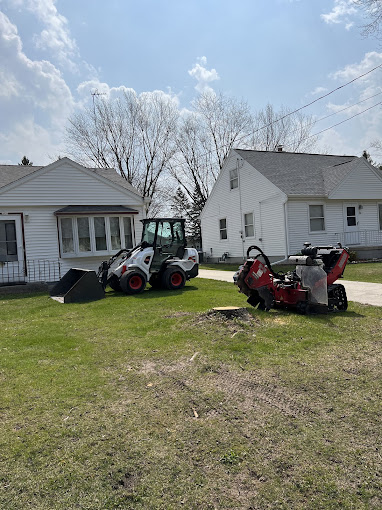
Stump grinding involves using a specialized machine to grind the stump down to a few inches below the ground level, leaving behind a shallow depression that can be filled in with soil. Stump removal, on the other hand, involves completely extracting the stump and its root system from the ground, leaving a hole that needs to be filled.
When it comes to choosing between stump grinding and stump removal, there are several factors to consider:
Stump grinding offers several advantages:
Stump removal also has its advantages:
The stump grinding service typically involves the following steps:
The stump removal process generally includes these steps:
The cost of stump grinding and stump removal can vary depending on several factors, such as the size and location of the stump, as well as the accessibility of the area. On average:
It’s important to obtain quotes from multiple service providers to ensure you get the best value for your money.
When deciding between stump grinding and stump removal, consider your specific needs and the factors discussed earlier. Stump grinding may be the more cost-effective and convenient option for smaller stumps or those in accessible areas. Stump removal, on the other hand, may be the better choice for larger stumps, stumps in tight spaces, or if you have future plans for the area.
Regardless of which method you choose, it’s highly recommended to hire a professional for the job. Attempting to grind or remove a stump on your own can be dangerous and may result in damage to your property or personal injury. Professional service providers have the necessary equipment, expertise, and safety protocols to ensure the work is completed efficiently and safely.
If you’re unsure which method is best for your yard, contact our team of experts to schedule a consultation and receive a personalized recommendation. We’ll help you make the right choice for your property and ensure the job is done with the utmost care and attention to detail.
Navigating the decision between stump grinding and stump removal can be a complex task, but understanding the key differences and weighing the various factors can help you make an informed choice that aligns with your yard’s needs and your personal preferences. By considering the size and location of the stump, your future plans for the area, and the associated costs, you can select the method that will best serve your yard and enhance your overall landscape.
Stump grinding involves using a machine to grind the stump down to below ground level, leaving the roots in the ground. Stump removal, on the other hand, involves removing the entire stump along with the roots, which requires digging and heavy machinery.
Stump grinding is generally more cost-effective than stump removal. Grinding is less labor-intensive and does not require the extensive excavation that removal does. However, costs can vary based on the size and location of the stump.
Stump grinding has minimal impact on landscaping since it only removes the stump above ground and some of the roots. Stump removal can significantly disturb the surrounding area as it involves digging out the entire stump and root system, which may require replanting or landscaping repairs.
Stump removal is generally more effective at preventing regrowth because it removes the entire root system. Stump grinding may leave some roots behind, which can sometimes lead to new sprouts. However, these can be managed with herbicides or additional grinding.
The time required for stump grinding is usually shorter, often taking just a few hours depending on the stump size and number. Stump removal can take longer due to the need for digging and potential complications with root systems, possibly taking a day or more for large stumps.
Quick Links
Open
© 2026 All Rights Reserved