
As a passionate gardener and landscape enthusiast, I understand the importance of properly managing snow accumulation on your property. Snow can be a double-edged sword – while it can provide a beautiful, winter wonderland aesthetic, it can also pose significant risks to the health and well-being of your trees, shrubs, and other landscaping elements if not addressed promptly and effectively.
In this comprehensive guide, I will share my expertise on the various snow removal techniques you can employ to safeguard your trees and landscapes, while also ensuring the safety of yourself and your property. By the end of this article, you’ll be equipped with the knowledge and confidence to tackle even the most challenging snow removal tasks.
Heavy snow accumulation can have a detrimental impact on your trees and landscapes in several ways:
Structural Damage: The weight of snow can cause branches to bend, break, or even collapse, leading to permanent damage to the tree’s structure and potentially compromising its overall health.
Suffocation and Rot: When snow piles up around the base of trees or covers low-lying plants, it can prevent proper air circulation and lead to suffocation, which can result in rot and other fungal diseases.
Increased Susceptibility to Pests and Diseases: The stress caused by heavy snow can weaken the tree’s natural defenses, making it more vulnerable to pests and diseases that can further compromise its well-being.
Disruption of Growth and Development: Prolonged snow cover can also interfere with the natural growth and development of plants, stunting their progress and potentially leading to long-term consequences.
Understanding these potential dangers is the first step in developing an effective snow removal strategy for your trees and landscapes.
There are several snow removal techniques that can be employed, each with its own advantages and considerations. These include:
Manual Shoveling: This traditional method involves physically removing snow using a shovel or other hand tools. It’s a labor-intensive approach, but it can be effective for small areas or light snowfall.
Snow Blowing: Using a snow blower or snow thrower can significantly speed up the snow removal process, particularly for larger areas or heavier snowfall. This method is more efficient but requires the use of specialized equipment.
Plowing: For larger properties or commercial settings, hiring a professional snow plowing service can be an effective solution. Plows can quickly clear large areas, but they may not be suitable for delicate landscaping or around trees.
Deicing and Salting: Applying deicing agents, such as salt or sand, can help melt snow and ice, making it easier to remove. However, these chemicals can potentially harm plants and soil, so they should be used with caution.
Snow Melting Systems: Permanent or temporary snow melting systems, such as heated driveways or walkways, can eliminate the need for manual snow removal altogether. These systems are highly effective but require a significant investment in installation and maintenance.
Selecting the right snow removal technique for your specific needs and property characteristics is crucial to ensuring the safety and well-being of your trees and landscapes.
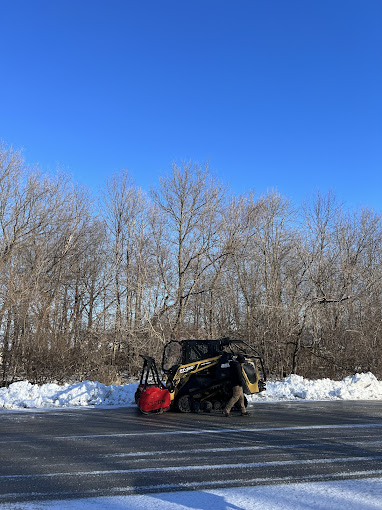
Before tackling any snow removal task, it’s essential to have the right tools and equipment on hand. This may include:
Ensuring you have the necessary equipment and tools before a snowstorm hits will help you work efficiently and effectively, while also minimizing the risk of injury or damage to your property.
Clearing snow from trees and landscapes requires special consideration to ensure the safety of both you and your property. Here are some important safety precautions to keep in mind:
Assess the Conditions: Before starting any snow removal, carefully evaluate the depth and weight of the snow, as well as any potential hazards, such as ice buildup or damaged branches.
Wear Appropriate Gear: Proper attire, including insulated clothing, non-slip boots, and gloves, can help prevent injury and keep you warm during the process.
Proper Lifting Techniques: When shoveling snow, use proper lifting form to avoid straining your back or other muscles.
Avoid Overexertion: Take frequent breaks and listen to your body to prevent exhaustion or injury.
Protect Vulnerable Plants: Be mindful of delicate plants, shrubs, and trees, and take care not to damage them during the snow removal process.
Watch for Falling Branches: Be alert for any branches that may be at risk of breaking under the weight of the snow and position yourself accordingly.
Proper Equipment Handling: Operate any snow removal equipment, such as blowers or shovels, according to the manufacturer’s instructions to ensure safe and effective use.
By prioritizing safety throughout the snow removal process, you can protect both yourself and your valuable landscaping investments.
Clearing snow from trees requires a delicate touch to avoid causing additional damage. Here are some effective techniques to consider:
Gentle Brushing: Use a soft-bristled brush or broom to gently sweep snow off branches, taking care not to apply too much pressure.
Careful Shaking: Carefully shake branches to dislodge snow, but avoid vigorous movements that could lead to breakage.
Targeted Removal: Use a snow shovel or other tool to carefully remove snow from the base of the tree and around the trunk, ensuring proper air circulation.
Pruning Damaged Branches: If you notice any severely damaged or broken branches, use pruning tools to carefully remove them, following proper pruning techniques.
Avoiding Compaction: Be mindful not to compact the snow around the tree, as this can restrict airflow and lead to suffocation.
By employing these techniques, you can effectively clear snow from your trees while minimizing the risk of further damage or stress to the plant.
Clearing snow from your landscapes and gardens requires a slightly different approach to ensure the health and well-being of your plants and soil. Here are some effective techniques:
Gentle Brushing: Use a soft-bristled broom or brush to gently sweep snow off low-growing plants, taking care not to apply too much pressure.
Targeted Removal: Carefully use a shovel or other tool to remove snow from around the base of plants, allowing for proper air circulation and preventing suffocation.
Deicing Pathways: Apply a light dusting of environmentally friendly deicing agents, such as sand or calcium chloride, to create safe and clear pathways through your gardens and landscapes.
Avoiding Compaction: Be mindful not to compact the snow, as this can restrict airflow and lead to soil and plant damage.
Protecting Delicate Plants: Consider covering or insulating more delicate plants, such as perennials or tender annuals, to prevent damage from the weight of the snow.
By employing these techniques, you can effectively clear snow from your landscapes and gardens while ensuring the long-term health and vitality of your plants.
While snow removal may seem straightforward, there are several common mistakes that can lead to costly damage or injury. Some of the most important ones to avoid include:
Overexerting Yourself: Trying to clear too much snow at once or working for extended periods without breaks can lead to physical strain and exhaustion.
Improper Lifting Techniques: Using incorrect posture or lifting techniques when shoveling snow can result in back injuries or other musculoskeletal problems.
Damaging Plants and Trees: Being too aggressive or careless when removing snow can lead to broken branches, damaged trunks, or other harm to your landscaping investments.
Neglecting Safety Precautions: Failing to wear appropriate protective gear or ignoring hazardous conditions can put you at risk of slips, falls, or other accidents.
Improper Use of Equipment: Mishandling snow removal equipment, such as snow blowers or deicing agents, can lead to equipment damage or personal injury.
By being mindful of these common pitfalls and taking the necessary precautions, you can ensure a safe and effective snow removal process that protects both you and your valuable trees and landscapes.
While DIY snow removal can be a rewarding and cost-effective solution, there may be times when hiring a professional snow removal service is the best course of action. Here are some key considerations when deciding whether to hire a professional:
Property Size and Complexity: If you have a large or intricate landscape with many trees, shrubs, and other delicate features, a professional service may be better equipped to handle the snow removal tasks safely and efficiently.
Severe Weather Conditions: During particularly heavy or hazardous snowstorms, the expertise and specialized equipment of a professional service can be invaluable in ensuring your property is cleared quickly and safely.
Time and Physical Limitations: If you lack the time, physical ability, or equipment to tackle the snow removal tasks yourself, a professional service can be a wise investment in protecting your landscaping investments.
Liability and Insurance: Professional snow removal companies often carry liability insurance and have the necessary expertise to navigate the legal and safety considerations of snow removal, which can provide added peace of mind.
When selecting a professional snow removal service, be sure to research their credentials, experience, and customer reviews to ensure you’re entrusting your property to a reliable and reputable provider.
Effective snow removal is essential for maintaining the health and beauty of your trees and landscapes throughout the winter months. By understanding the various snow removal techniques, preparing with the right tools and equipment, and prioritizing safety, you can confidently tackle even the most challenging snow removal tasks.
Remember, the key to successful snow removal is to approach it with a balanced and thoughtful approach, taking care to protect your valuable landscaping investments while also ensuring your own well-being. By following the expert tips and techniques outlined in this guide, you’ll be well on your way to mastering the art of snow removal and keeping your trees and landscapes thriving, even in the harshest of winter conditions.
Don’t let snow take a toll on your trees and landscapes this winter. Contact us today to learn more about our professional snow removal services and how we can help you maintain the health and beauty of your outdoor spaces all year round.
Use a broom or a soft brush to gently sweep snow off the branches. For higher branches, a long pole can help. Avoid shaking the branches too hard to prevent damage.
Avoid using sharp tools or heavy equipment that can damage the branches. Don't use hot water to melt the snow as it can cause shock to the tree.
Before the snow season, prune any weak or dead branches. You can also loosely wrap shrubs in burlap to protect them from heavy snow.
No, avoid using salt near trees and plants as it can harm them. Use sand or kitty litter for traction on pathways and driveways instead.
Prune the broken branch cleanly at the break point. This helps the tree heal properly and prevents disease. If the break is large, consider consulting a professional arborist.
Quick Links
Open
© 2026 All Rights Reserved