
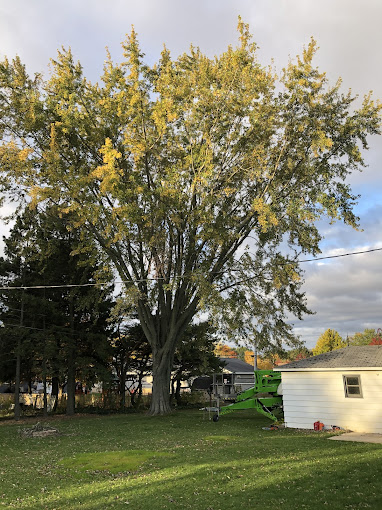
Your Sheboygan residents can have many types of trees. Pines, oaks, maples, etc., all contribute to the curb appeal of your property. However, they can also suffer from various types of diseases.
Pests, fungus, pathogens, and infections can affect tree health. Cankers, wilts, bark diseases, scabs, etc., can affect various species of trees. There will be various signs and symptoms that will help you diagnose them early.
Take professional help for the inspection and treatment of diseases. Local companies offer better solutions when it comes to tree illness.
As a tree owner, you need to be aware of plant disease treatment. This will help you maintain them properly, and help keep trees in their best shape.
Bark beetles create tiny holes in hardwood trees. These insects target stressed trees due to drought stress. Various fungal infections follow beetle damage, especially in pines and spruces.
Symptoms:
Treatment focuses on removing infected trees to stop the infestation from spreading. Maintaining tree health through proper watering and fertilization helps prevent bark beetle attacks.
Leaf diseases affect many tree types and are caused by fungi or bacteria. Maples, oaks, and ash trees commonly face these issues, particularly during wet spring weather.
Symptoms:
Early detection and pruning of infected branches reduces spread. Fungicides can help if applied before the disease takes hold while improving air circulation around trees limits moisture that supports fungal disease.
Needle blight and rust affect conifers in wet conditions. The pathogen enters through needles, causing discoloration and eventual needle drop. This eventually weakens trees over time.
Symptoms:
Proper spacing between trees prevents needle diseases. Remove fallen needles regularly and apply fungicide during new twig growth to protect pine needle health.
Many hardwood species face leaf diseases from fungi that thrive in damp conditions. Oaks, maples, and elm trees often show symptoms during rainy seasons when spores spread easily.
Symptoms:
Reduce leaf moisture through proper pruning. Rake and dispose of fallen leaves where powdery spores overwinter. Most trees recover, but repeated infections may require fungicide treatments.
Rust diseases appear as orange or reddish spots on leaves and needles. These fungal infections need two different plant hosts to complete their life cycle and spread through the wind.
Symptoms:
Remove alternate host plants near valuable trees. Prune affected areas in dry weather to limit spread. Most trees tolerate rust infections without long-term harm if their overall health is good.
This fungal disease creates hard, black growths on cherry and plum branches. The infection spreads during wet weather, gradually girdling branches and causing dieback.
Symptoms:
You should prune infected branches at least four inches below knots during winter. Dispose of pruned material away from trees. Fungicide applications during bud break help prevent new infections.
Canker diseases create sunken, dead areas on trunks and branches. Fungi enter through wounds, with stressed trees in poor sandy soils of Sheboygan.
Symptoms:
Contact professional tree service for treatment. They will help avoid trunk injuries that create entry points. Prune-affected branches are well below visible symptoms. Trees with trunk cankers usually die over time, so early intervention is essential.
Dutch elm disease and oak wilt are serious vascular diseases. The pathogen blocks water movement within trees, causing rapid decline. Beetles often spread these diseases between trees.
Symptoms:
Prevent spread by avoiding pruning during active beetle seasons. Root grafts between nearby trees should be severed. While few treatments cure the tree, early detection and isolation help protect neighboring trees.
This bacterial disease affects apples, pears, and related trees. It thrives in warm, wet weather and can kill trees quickly when conditions favor its spread through rain, insects, and pruning tools.
Symptoms:
You need to prune affected branches twelve inches below visible symptoms. Disinfect tools between cuts to prevent spread. Copper-based sprays during bloom time can reduce new infections.
Anthracnose causes leaf and twig damage on many trees and shrubs. This fungal infection thrives during cool, wet weather and affects sycamore, oak, maple, and ash trees.
Symptoms:
Improve air circulation by thinning branches. Collect and dispose of fallen leaves where spores overwinter. Most trees recover from anthracnose without treatment. However, repeated infections may require fungicide application during leaf emergence.
Top Chop Tree Service is a local company in Sheboygan County. We identify and treat tree disease problems throughout Southeast Wisconsin. Our certified arborists can spot early signs of trouble before they become major issues.
We handle all tree pests and diseases affecting local trees, like maple, oak, pine, and elm. Our team provides thorough tree disease diagnosis and effective treatment plans customized to your specific situation.
Our experts excel at disease identification and recognize common symptoms that indicate problems. We can advise you on steps to prevent future issues, with solutions varying on the type of disease affecting your trees.
Tree diseases damage forests and landscapes each year. Early detection makes treatment easier and more effective. Common diseases include bark beetle issues, needle blights, wilts, and cankers. Most affect specific tree types and show distinctive symptoms.
Proper care prevents many tree problems. This includes regular watering, avoiding trunk injuries, improving air circulation, and prompt removal of infected material. Professional diagnosis helps identify issues accurately.
Learn more: Why Choose a Local Arborist Near Me for Tree Care and Maintenance
In Sheboygan County, common tree diseases include Oak Wilt, Dutch Elm Disease, Powdery Mildew, Fire Blight, and Apple Scab. Each disease affects specific tree species and can cause damage ranging from leaf discoloration to tree death.
Oak Wilt is a fungal disease that primarily affects red oaks. Signs include wilting leaves that turn bronze or brown, typically starting at the top of the tree. The disease spreads through root grafts and by beetles, making early detection crucial for treatment.
Dutch Elm Disease is caused by a fungus spread by bark beetles. To treat it, you may need to prune infected branches, remove infected trees, and apply fungicides to prevent further spread. Regular monitoring and managing the beetle population can help protect healthy trees.
Powdery Mildew is a fungal infection that affects the leaves and shoots of trees like lilacs and roses. It causes a white, powdery coating on leaves. Preventative measures include proper spacing for air circulation, avoiding overhead watering, and applying fungicides early in the growing season.
Fire Blight, a bacterial disease, affects apple and pear trees, causing blackened, wilted branches and discolored leaves. Pruning infected branches and disposing of them properly is key to managing this disease. You can also apply bactericides during the bloom period for prevention.
Quick Links
Open
© 2026 All Rights Reserved