
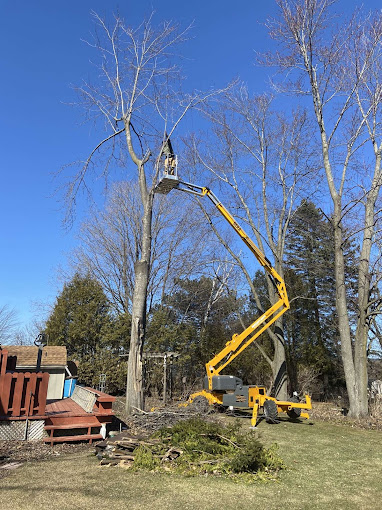
As a passionate gardener and arborist, I firmly believe that regular tree trimming is a vital component of maintaining the health and longevity of your trees. Trees are living, dynamic organisms that require attentive care and management to thrive in our landscapes. Just like humans, trees need periodic pruning and grooming to ensure they remain strong, vibrant, and able to withstand the challenges of their environment.
Regular tree trimming serves multiple purposes, from aesthetic enhancement to disease prevention and structural integrity. By proactively addressing the natural growth patterns and potential issues with your trees, you can ensure they continue to provide valuable shade, beauty, and environmental benefits for years to come. In this comprehensive guide, we’ll explore the numerous advantages of regular tree trimming and provide you with the knowledge and tools to keep your trees in optimal condition.
Improved Structural Integrity: Proper trimming helps to remove weak, damaged, or overgrown branches, which can prevent the tree from becoming top-heavy and potentially collapsing under its own weight or during inclement weather.
Enhanced Airflow and Sunlight Penetration: Judiciously thinning out the canopy allows for better air circulation and increased sunlight exposure, which can enhance the tree’s overall health and vigor.
Reduced Risk of Disease and Pest Infestations: Trimming away diseased, damaged, or dead limbs can help prevent the spread of pathogens and minimize the risk of pest infestations, which can threaten the tree’s well-being.
Stimulation of New Growth: Careful pruning can encourage the tree to redirect its energy into producing healthier, more vigorous growth, ultimately strengthening the overall structure and appearance of the tree.
Improved Aesthetic Appeal: Regular trimming can enhance the natural beauty of your trees, keeping them looking neat, well-maintained, and in harmony with the overall landscape design.
Recognizing the signs that your trees require trimming is the first step in maintaining their health. Some common indicators include:
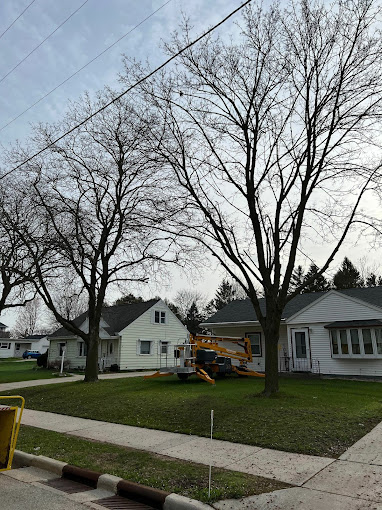
The optimal time to trim your trees will vary depending on the species and your local climate. As a general rule, the best time is typically during the tree’s dormant season, which is usually late winter or early spring before new growth emerges. This timing allows the tree to focus its energy on healing the pruning wounds and minimizes the risk of disease or pest infestations.
However, there may be exceptions to this rule, such as for trees that are prone to bleeding (e.g., maple, birch, or walnut trees), which are better trimmed in midsummer. Additionally, some trees may require more frequent trimming, such as those with rapid growth rates or those that are prone to storm damage.
Effective tree trimming requires the use of the right tools and techniques to ensure the health and safety of your trees. Some of the essential tools for the job include:
When it comes to trimming techniques, it’s crucial to make clean, precise cuts that are flush with the branch collar (the swollen area where the branch meets the trunk). Avoid leaving stubs or tearing the bark, as these can create entry points for pests and diseases.
It’s also important to consider the overall structure of the tree and remove any crossing, rubbing, or damaged branches to maintain a balanced and healthy canopy. In some cases, it may be necessary to thin out the interior of the tree to improve airflow and sunlight penetration.
While it’s possible to tackle some basic tree trimming tasks on your own, there are certain situations where it’s best to hire a professional tree trimming service. This is especially true for large, mature trees, trees near power lines or structures, or trees that require extensive pruning or removal.
Professional arborists have the necessary training, equipment, and expertise to safely and effectively trim your trees without causing unintended damage. They can also provide valuable insights into the specific needs of your trees and develop a tailored maintenance plan to ensure their long-term health and vitality.
When selecting a tree trimming service, be sure to look for licensed, insured, and experienced professionals who can provide references and a detailed plan of action. It’s also a good idea to obtain multiple quotes to ensure you’re getting a fair and competitive price.
If you choose to tackle some tree trimming tasks yourself, it’s essential to follow proper safety protocols and techniques to avoid injury or damage to your trees. Here are some key tips to keep in mind:
Wear Appropriate Gear: Protect yourself with safety glasses, gloves, and sturdy footwear when working with power tools and sharp implements.
Start Small: Begin by trimming smaller, less complex branches to gain experience and build confidence before tackling larger limbs.
Avoid Topping: Never cut the main trunk or “top” the tree, as this can severely compromise its health and structural integrity.
Sterilize Tools: Clean and disinfect your pruning tools between uses to prevent the spread of disease.
Dispose of Debris Properly: Carefully remove and dispose of all trimmed branches and foliage to maintain a tidy and safe work area.
Know Your Limits: If a tree is too large, too high, or presents any other safety concerns, it’s best to consult a professional arborist.
Even with the best intentions, it’s possible to make mistakes during the tree trimming process that can harm the health and longevity of your trees. Some of the most common errors to avoid include:
By educating yourself on best practices and being mindful of these potential pitfalls, you can ensure that your tree trimming efforts contribute to the overall health and vitality of your trees.
Not all trees have the same trimming requirements, and it’s essential to tailor your approach to the specific needs of the species you’re caring for. For example, evergreen trees like pines and spruces generally require less frequent trimming than deciduous trees, which often benefit from more regular pruning to maintain their shape and promote new growth.
Similarly, fruit trees may need more specialized attention, such as pruning to encourage better fruit production or to maintain a balanced, open canopy that allows for adequate sunlight and airflow. Consulting with a local arborist or horticulturist can help you develop a tailored tree trimming plan that addresses the unique needs of the trees in your landscape.
In conclusion, regular tree trimming is a vital component of maintaining the health and longevity of your trees. By proactively addressing the natural growth patterns and potential issues with your trees, you can ensure they continue to provide valuable shade, beauty, and environmental benefits for years to come.
Whether you choose to tackle some tree trimming tasks yourself or hire a professional service, the key is to stay vigilant and commit to a regular maintenance schedule. By doing so, you’ll not only enhance the aesthetic appeal of your landscape but also safeguard the long-term wellbeing of your trees, ensuring they can thrive and continue to enrich your outdoor living spaces.
Regular tree trimming is essential for maintaining tree health as it helps remove dead, diseased, or damaged branches, preventing the spread of diseases and pests. It also promotes better air circulation and sunlight penetration, which are crucial for the tree's overall growth and vitality.
The frequency of tree trimming depends on the type and age of the tree. Generally, mature trees should be trimmed every 3-5 years, while younger trees may require trimming every 2-3 years. However, certain fast-growing species may need more frequent maintenance. Consulting with a professional arborist can provide specific guidance based on the tree species and local conditions.
Signs that a tree needs trimming include dead or dying branches, branches that are rubbing against each other, cracks or splits in the bark, and overgrown limbs obstructing pathways or structures. Additionally, if the tree's canopy is too dense, it can restrict sunlight and air flow, indicating a need for thinning.
While minor trimming and pruning can often be done by homeowners, it is advisable to hire a professional arborist for significant tree trimming. Professionals have the expertise, tools, and safety equipment to handle larger jobs, ensure proper cuts, and avoid potential damage to the tree and surrounding property. They can also identify and address issues that may not be obvious to untrained individuals.
Neglecting tree trimming can lead to a variety of problems, including increased risk of disease and pest infestations, structural weakness, and potential property damage from falling branches. Overgrown trees can also obstruct sunlight and air circulation, negatively impacting their own health as well as the health of nearby plants. Regular maintenance helps ensure the tree remains healthy, safe, and aesthetically pleasing.
Quick Links
Open
© 2026 All Rights Reserved