
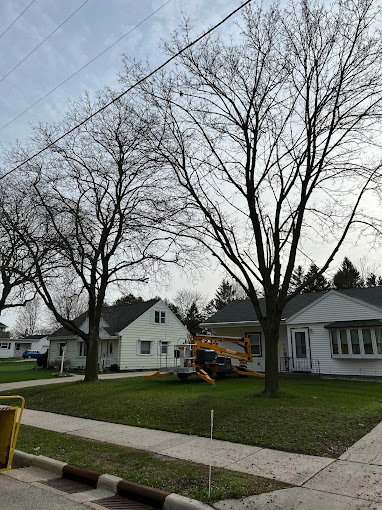
Wisconsin offers a high quality of life with affordable housing and safe, family-friendly neighborhoods. Its rich natural resources include a diverse range of native trees. The city also has applied rules and regulations for trees.
Homeowners in Wisconsin need to understand tree permits and regulations. If you plan to plant, trim, or remove a tree, you must follow specific rules. These guidelines help preserve the state’s natural beauty and keep your community safe.
This article will guide you through the tree permit process. It will make it easier for you to manage your trees and stay compliant with local regulations.
Follow the rules below to ensure the protection of the state’s natural beauty and public safety.
In Wisconsin, if you want to plant trees on public property, you need permission. This helps ensure the trees are suitable for the site and will not interfere with infrastructure. You’ll need to get a Tree Planting Permit and pick from a list of native species. City staff will review the location to make sure it fits the climate and weather conditions.
On your own private property, you don’t usually need special permission to plant trees. However, it’s wise to check any local rules or homeowner association guidelines. Make sure the tree’s size and type are right for the site to help it survive and thrive.
Here is a list of native and safe large trees to have in your place:
Tree maintenance is essential for keeping your trees healthy and safe in Wisconsin. Regularly check for broken branches, disease, or pest damage. Address these problems quickly to avoid bigger issues.
For trees on public property, maintenance should not interfere with power lines or safety zones. Follow state guidelines, use appropriate solutions, and handle chemicals carefully.
On your own private property, you are responsible for tree maintenance. Keep your trees well-pruned and manage any potential hazards. Proper care helps your trees thrive and reduces risks to your property and the community.
Tree pruning is important for keeping trees healthy and safe. In Wisconsin, there’s a key rule for oak trees: from April 15 through July 1 each year, you cannot prune or cut them, except in emergencies. This rule helps protect oak trees from diseases that can spread more easily during this time.
You should inquire from the authorities about your tree. If it has any restrictions or regulations, be respectful of them.
Tree removal is sometimes necessary for safety or to improve your property. In Wisconsin, you cannot cut down trees near roads, trails, lakes, or in designated recreation areas. This rule helps protect these important places and ensures safety.
If you need to remove a tree, you will generally need a permit, which usually costs around $5 per tree. The exact price might vary based on your property.
For indoor tree removal, professional services can help you safely manage and remove trees inside your home. There are also specific rules on how you choose a tree service company. Tree removal is permitted under the following situations:
You will find many expert tree service companies in Wisconsin. However, you must be careful when choosing the company. Look for the below criteria:
Understanding the above-mentioned tree care guidelines helps you comply with state laws. Following these rules ensures your trees remain healthy and safe.
In most cases, you do not need a permit to remove a tree on private residential property in Wisconsin. However, if the tree is located in a protected area, such as a designated wetland or forest reserve, or if local municipal codes require it, you may need a permit.
Yes, many urban areas in Wisconsin, such as Milwaukee or Madison, have specific regulations regarding tree removal, especially for trees on public land or in right-of-way areas. Check with your local municipality to determine if any permits or special permissions are required.
Removing a tree without the necessary permit in areas where one is required can lead to fines and penalties. These penalties vary depending on the municipality but can include costly fines and, in some cases, restoration requirements.
Certain trees, particularly those that are part of conservation areas, wetlands, or threatened species, may be protected under Wisconsin state or local laws. In some cities, heritage trees or trees of a particular size may also have protected status, requiring special permission for removal.
Generally, routine trimming or pruning does not require a permit in Wisconsin. However, if the tree is in a protected zone or governed by local ordinances (e.g., street trees or trees in conservation areas), you may need to seek permission before doing any extensive work.
Quick Links
Open
© 2026 All Rights Reserved